Global demand for best wireless chargers is growing rapidly every year. Wireless charging has become ubiquitous across consumer electronics from smartphones and earbuds to wearables and laptops. High-quality materials ensure durability and long-lasting performance. For buyers if whether they are sourcing components or finished products, understanding the key components that make up a wireless charging system is essential. Understanding these key parts helps select best wireless chargers that are efficient, safe, and built to last.
In this article, our team explores best wireless charger basics. We explain how it works. We cover key components and types. You will learn compatibility standards, industrial uses, and a step-by-step buying guide of best wireless charger.
What is Wireless Charging?
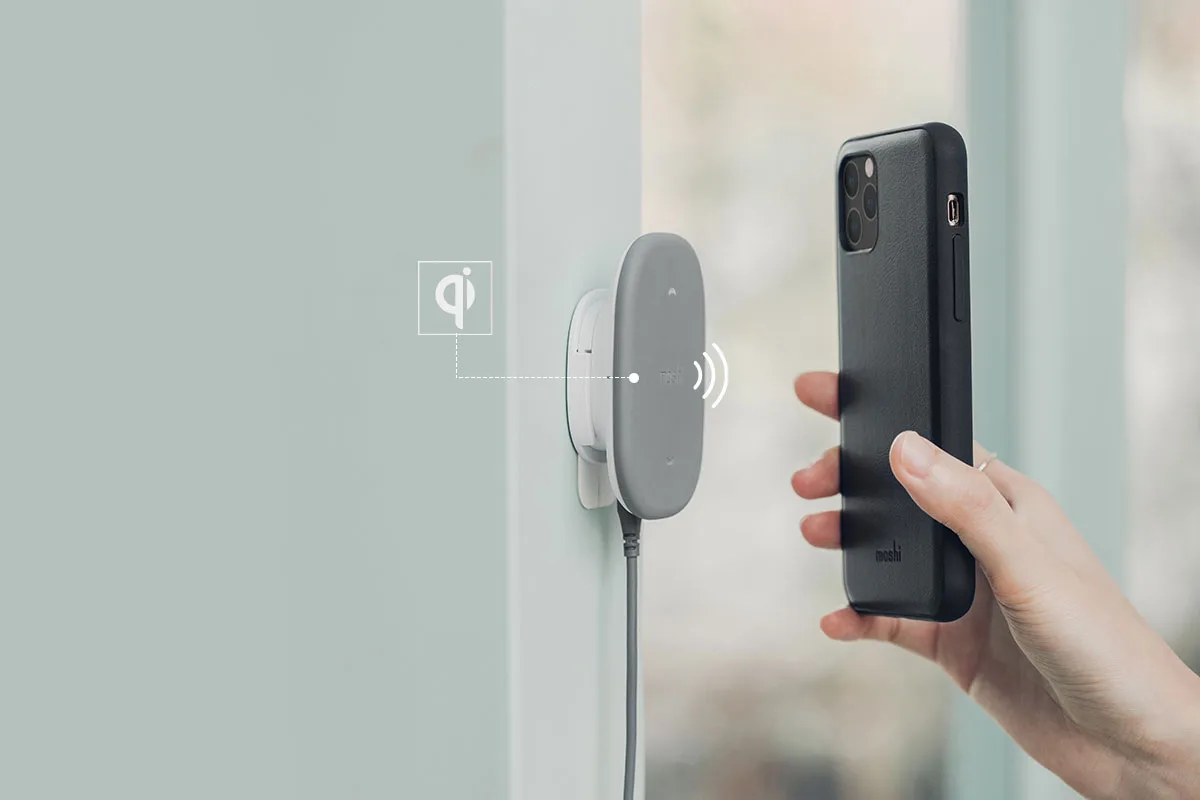
Wireless charging is a technology that powers devices without using physical cables. It works through electromagnetic fields, where a charging pad or station transfers energy to a device equipped with a compatible receiver. The device’s battery then stores this energy. Wireless charging is convenient, reduces cable clutter, and is commonly used for smartphones, smartwatches, earbuds, and other portable electronics.
How Does Wireless Charging Work?
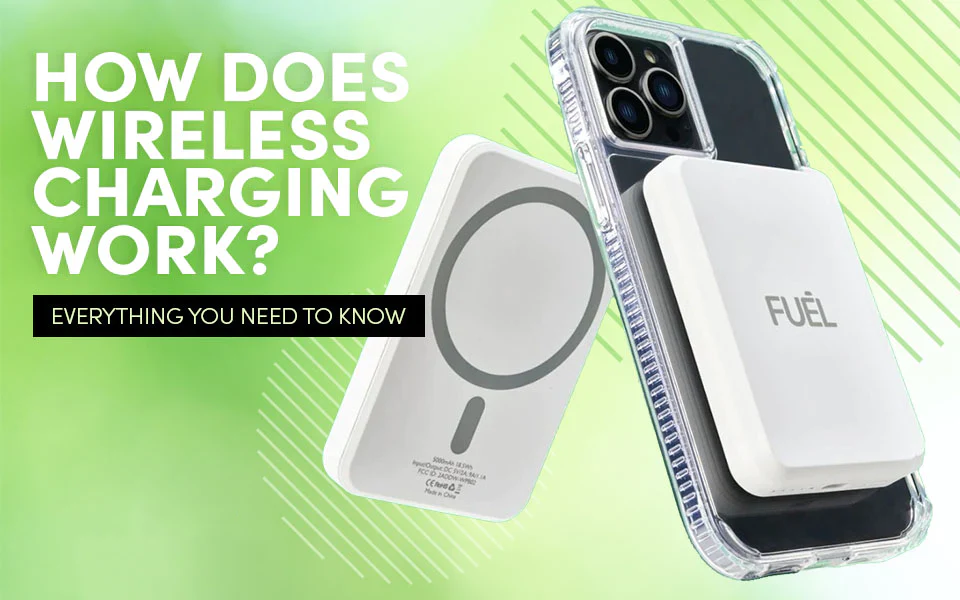
At its core, wireless charging is based on electromagnetic induction and increasingly on magnetic resonance. A transmitting coil in the charger generates a time-varying magnetic field when driven by alternating current. A receiving coil in the device intercepts this field, inducing a current that is converted back to DC to charge the battery.
To implement this successfully, the system relies on several sub-systems:
- Power conversion and regulation
- Resonance tuning
- Communication between transmitter and receiver
- Safety and protection circuitry
Understanding these subsystems helps buyers evaluate components not only by specification sheets but also by functional relevance.
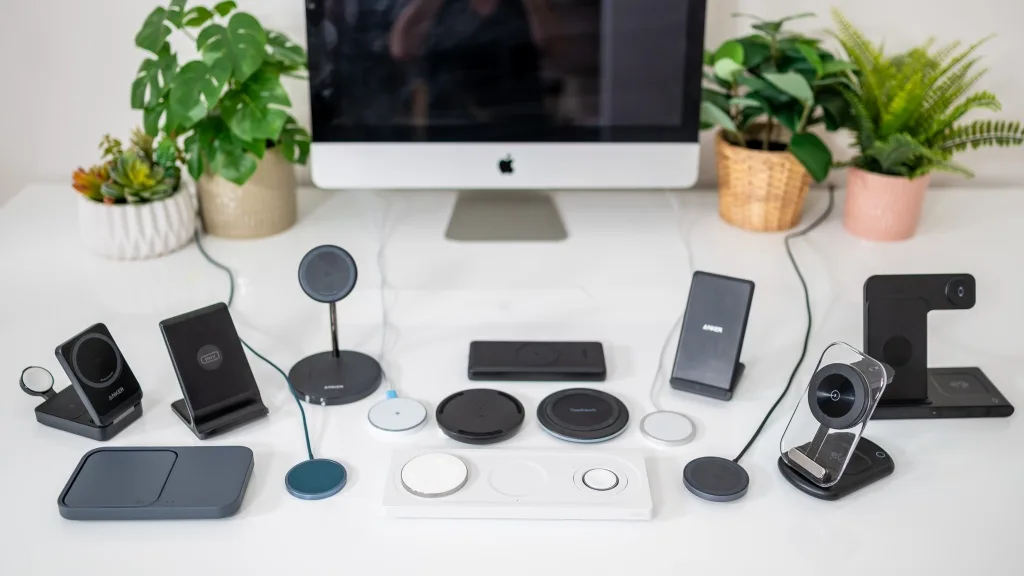
Types of Wireless Charger
Wireless charging comes in different forms, each designed for specific devices and needs. Understanding the types helps buyers choose the most efficient and convenient option.
1: Inductive Charging
Inductive charging uses magnetic fields between the charger and device to transfer energy. It requires close contact and precise alignment, making it ideal for smartphones, smartwatches, and earbuds, providing fast and safe charging over short distances.
2: Resonant Charging
Resonant charging transfers power wirelessly through magnetic resonance, allowing devices to charge even if slightly misaligned. It works over longer distances than inductive charging and can power multiple devices simultaneously, making it convenient for home or office setups.
3: Radio Frequency Charging
RF charging converts radio waves into electrical energy to charge small devices. It doesn’t require physical contact and can work over longer distances, making it suitable for IoT gadgets, sensors, and wearable devices with low power requirements.
4: Magnetic Resonance Charging
Magnetic resonance charging uses tuned magnetic fields to transfer energy efficiently. Multiple devices can be charged simultaneously without precise placement. It is safe, flexible, and increasingly used in advanced wireless charging pads and smart home setups.
Key Components of Wireless Charging
Here we break down the most important physical and electronic components in a wireless charging solution:
1: Transmitter (Tx) Coil
The transmitter coil is one of the most critical parts of a wireless charging system.
Function
It creates the magnetic field that transfers energy to the device.
Key Characteristics
- Coil Shape & Geometry: Circular, square, multilayer, or planar designs.
- Wire Type: Litz wire (multi-strand) is preferred for reducing skin and proximity effects at high frequencies.
- Turns & Inductance: Optimized to match resonance frequency (typically 110–205 kHz for Qi standard).
- Shielding: Ferrite sheets reduce magnetic interference and improve efficiency.
Buyer Considerations
- Coil build quality affects alignment sensitivity and transfer efficiency.
- Magnetic shielding quality influences EMI and thermal performance.
- Multi-coil designs allow broader placement tolerance.
2: Receiver (Rx) Coil
The receiver coil resides inside the device (e.g., smartphone).
Function
It captures the magnetic field and induces current that is rectified and fed to the device battery.
Key Characteristics
- Size & Form Factor: Must fit design constraints of the device while maximizing coupling.
- Inductance Matching: Tuned to match transmitter frequency.
- Integration: Often integrated with protection circuits and diode bridges.
Buyer Considerations
- Compatibility with target device models and standards.
- Shielding to prevent interference with other electronics.
- Thermal management to prevent charging hotspots.
3: Power Supply / Adapter
Wireless charging modules require an external power source.
Function
Converts AC mains voltage to a regulated DC level suitable for the wireless charger electronics.
Key Characteristics
- Input Range: Wide voltage support (100–240 VAC) is preferred for global use.
- Output Regulation: Stable DC voltage to ensure consistent charging performance.
- Efficiency & Safety Standards: Must comply with local and international safety regulations (UL, CE, FCC, etc.)
Buyer Considerations
- Efficiency (lower waste heat improves reliability).
- Adapter quality prevents voltage spikes or noise affecting charger performance.
- Certifications ensure safety and reduce compliance risk.
4: Control Electronics
The control module governs the charging process.
Function
It manages power delivery, communication with the receiver, frequency regulation, and safety cutoffs.
Components Typically Included
- Microcontroller (MCU): Core logic controlling charger behavior.
- Power Drivers / MOSFETs: Control current through the Tx coil.
- Resonant Network Components: Capacitors and inductors that tune the transmitter to resonance.
Buyer Considerations
- Firmware features like foreign object detection (FOD), dynamic power adjustment.
- Sampling accuracy for better power regulation.
- Thermal sensing and adaptive control loops improve efficiency.
5: Communication & Feedback Mechanisms
Bi-directional communication ensures proper power negotiation.
Function
Receiver communicates its power requirements to the transmitter, enabling adaptive power delivery.
Communication Methods
- Backscatter modulation: Common in Qi implementations.
- BLE / NFC protocols: Used in advanced or proprietary systems.
Buyer Considerations
- Communication reliability directly impacts charging efficiency and safety.
- Compatibility with standardized protocols reduces integration complexity.
6: Protective Components
Safety is required not only for device reliability but also regulatory compliance.
Key Protection Features
- Foreign Object Detection (FOD): Stops power transfer if metal objects are detected.
- Thermal Protection: Prevents overheating of coils and electronics.
- Overvoltage / Overcurrent Protection: Protects both transmitter and receiver circuits.
- Short-Circuit Protection: Critical for safety.
Buyer Considerations
- Protective circuitry quality is a strong differentiator.
- Certifications often require specific protection mechanisms.
Industrial Applications of Wireless Charging
Wireless charging is widely used in smartphones, smartwatches, and wireless earbuds for convenient daily charging. It is also applied in electric vehicles, medical devices, and industrial equipment, reducing cable wear, improving safety, and enabling sealed, water-resistant product designs.
- Smartphones and Tablets: Provides convenient, cable-free charging for daily personal device use.
- Wearable Devices: Used in smartwatches and fitness bands for safe, compact charging.
- Wireless Earbuds: Enables easy charging through compact cases without ports.
- Electric Vehicles: Supports contactless vehicle charging for improved safety and durability.
- Medical and Industrial Devices: Allows sealed designs, reducing contamination and maintenance risks.
Step-by-Step Buying Guide: How to Choose the Best Wireless Charger
Choosing the best wireless charger requires understanding key features that affect performance, safety, and compatibility. A step-by-step approach helps buyers make informed, confident decisions without confusion or technical complexity.
1: Check Device Compatibility
Ensure the wireless charger supports your smartphone, earbuds, or smartwatch. Look for Qi compatibility and confirm voltage requirements so charging remains stable, efficient, and safe across all your devices.
2: Evaluate Charging Speed
Check the wattage output, such as 10W or 15W fast charging. Higher wattage ensures faster charging, but only if your device and power adapter fully support it.
3: Inspect Charging Coil Quality
High-quality copper coils improve energy transfer and reduce power loss. Better coils provide consistent charging performance, minimize heat generation, and extend both charger and device lifespan.
4: Review Safety and Protection Features
Look for built-in protections like overvoltage, overheating, and short-circuit prevention. These safety components protect your device battery and ensure reliable charging during long or overnight use.
5: Consider Build Quality and Design
Durable materials, anti-slip surfaces, and proper ventilation improve usability and longevity. A well-designed wireless charger stays stable, resists wear, and performs consistently over time.
6: Verify Certifications and Standards
Choose chargers with Qi certification and international safety approvals. Certified products meet global standards, offer better reliability, and reduce risks of poor performance or device damage.
How to Evaluate Compatibility and Compliance of Wireless Charger Manufacturers in China?
When reviewing a China-based wireless charger manufacturer, start with standards compliance. Make sure the products are Qi-certified. This ensures broad device compatibility and stable charging performance.
Check voltage support for different markets. Confirm alignment with international safety regulations. Always ask for valid certification documents. Test samples in real-world conditions. Review the factory’s quality control process. This helps reduce compatibility risks and future compliance issues.
Why Buyers Trust Shenzhen D-wireless Co., Ltd. for Best Wireless Charging?
Many global buyers choose Shenzhen D-Wireless Co., Ltd. for dependable wireless charging solutions. Our company combines stable production capacity with hands-on technical support, helping brands compete confidently in international markets.
With long-term experience in wireless charger design and manufacturing, D-Wireless delivers products built for reliability. Carefully selected coils, control chips, and materials ensure strong performance, safe operation, and long service life. All products meet Qi requirements and comply with major international safety standards, making them suitable for global distribution.
Our company also offers flexible OEM and ODM services. Buyers can customize product structure, branding, and packaging based on market needs. Direct factory pricing keeps costs competitive while maintaining consistent quality and reliable delivery schedules.
Final Thoughts
Wireless charging has become an essential technology across modern electronics, and buyers must focus on component quality, safety standards, and device compatibility. By selecting Qi-certified products and reliable manufacturers with strong quality control and OEM support, buyers can ensure long-term performance, safety, and global market success.
Looking for a reliable wireless charger that delivers fast, safe, and efficient charging. Choose Shenzhen D-wireless Co., Ltd. and place your order today for long-lasting performance.